
Great Lakes Invisacryl™ T
Built for patient compliance. Engineered to last.
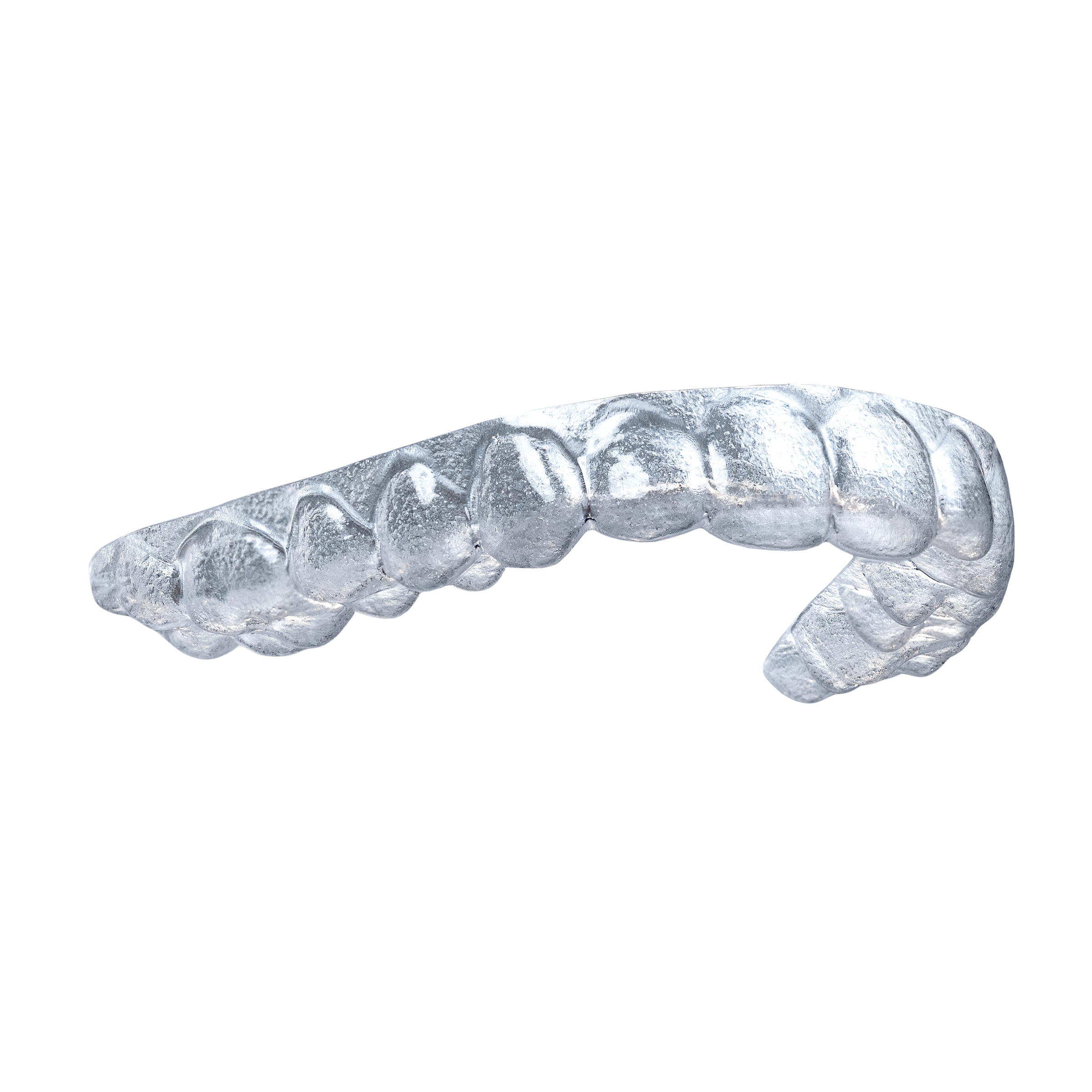
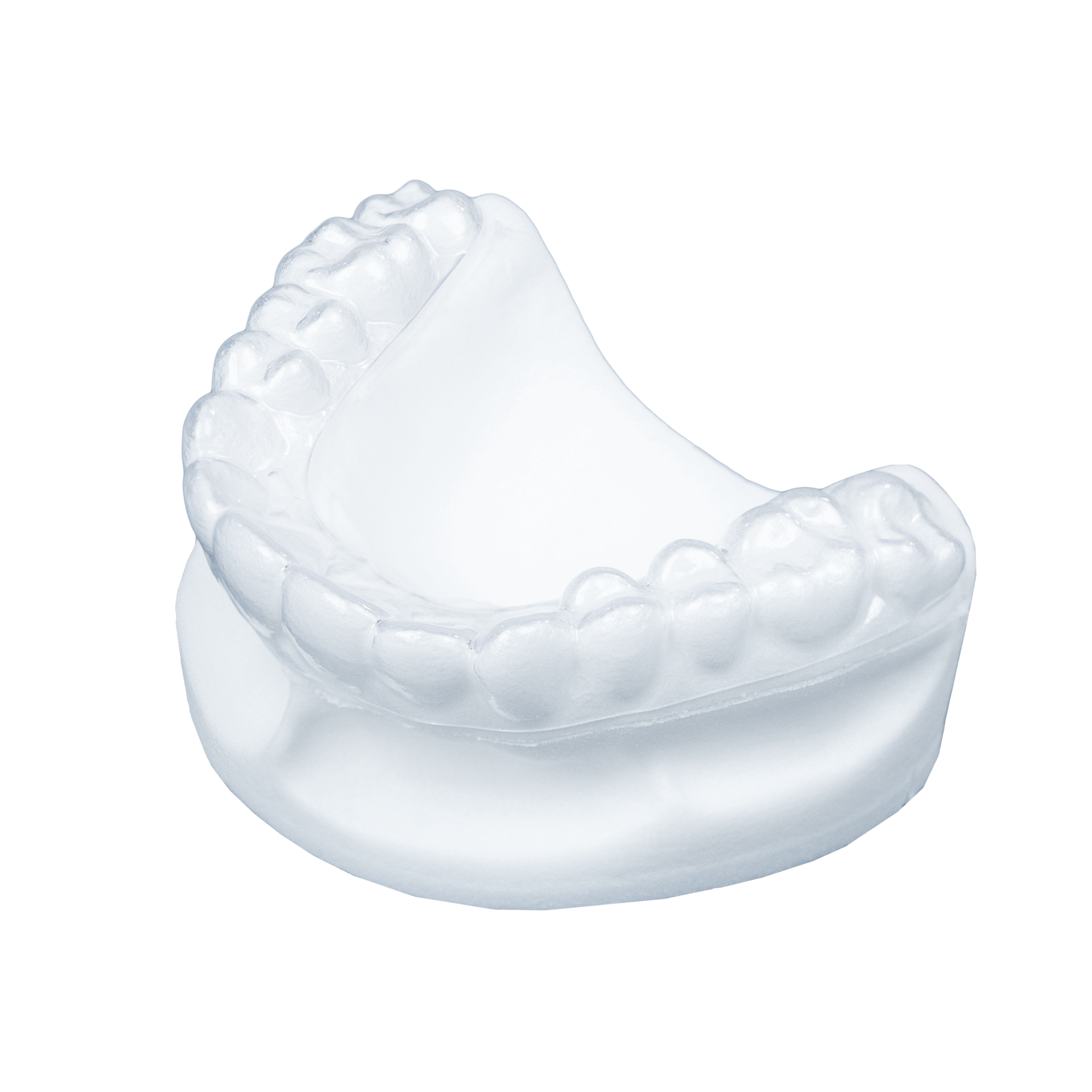
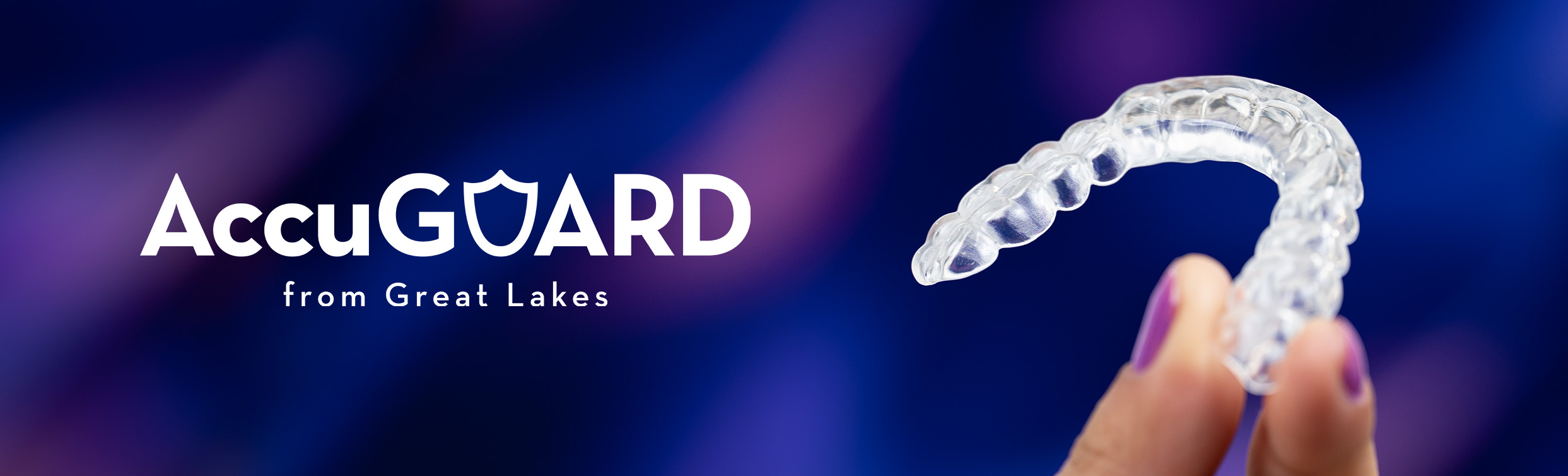
A unique thermal plastic polyurethane material, Invisacryl™ T, is more elastic, flexible, and crack-resistant than other materials. It is stronger and more durable, making it ideal for aligners, finishing appliances, and bite guards.
Invisacryl™ T is available in individually sealed foil-wrapped pouches for longer storage life and comes in packages of 25 and 100.
Invisacryl™ T is available in individually sealed foil-wrapped pouches for longer storage life and comes in packages of 25 and 100.
-
 Invisacryl™ T Clear 0.76mm/125mm - Round (25/pkg)$88.75This product is in stock and ships the same day (before 12:00PM EST, Mon-Fri). Special requests during checkout may delay shipping.
 -
 Invisacryl™ T Clear 1mm/125mm - Round (25/pkg)$88.75This product is in stock and ships the same day (before 12:00PM EST, Mon-Fri). Special requests during checkout may delay shipping.
 -
 Invisacryl™ T Clear 0.76mm/125mm - Round (100/pkg)$308.85There are less than 10 of this product in stock. Order today.
 -
 Invisacryl™ T Clear 1mm/125mm - Round (100/pkg)$308.85There are less than 10 of this product in stock. Order today.
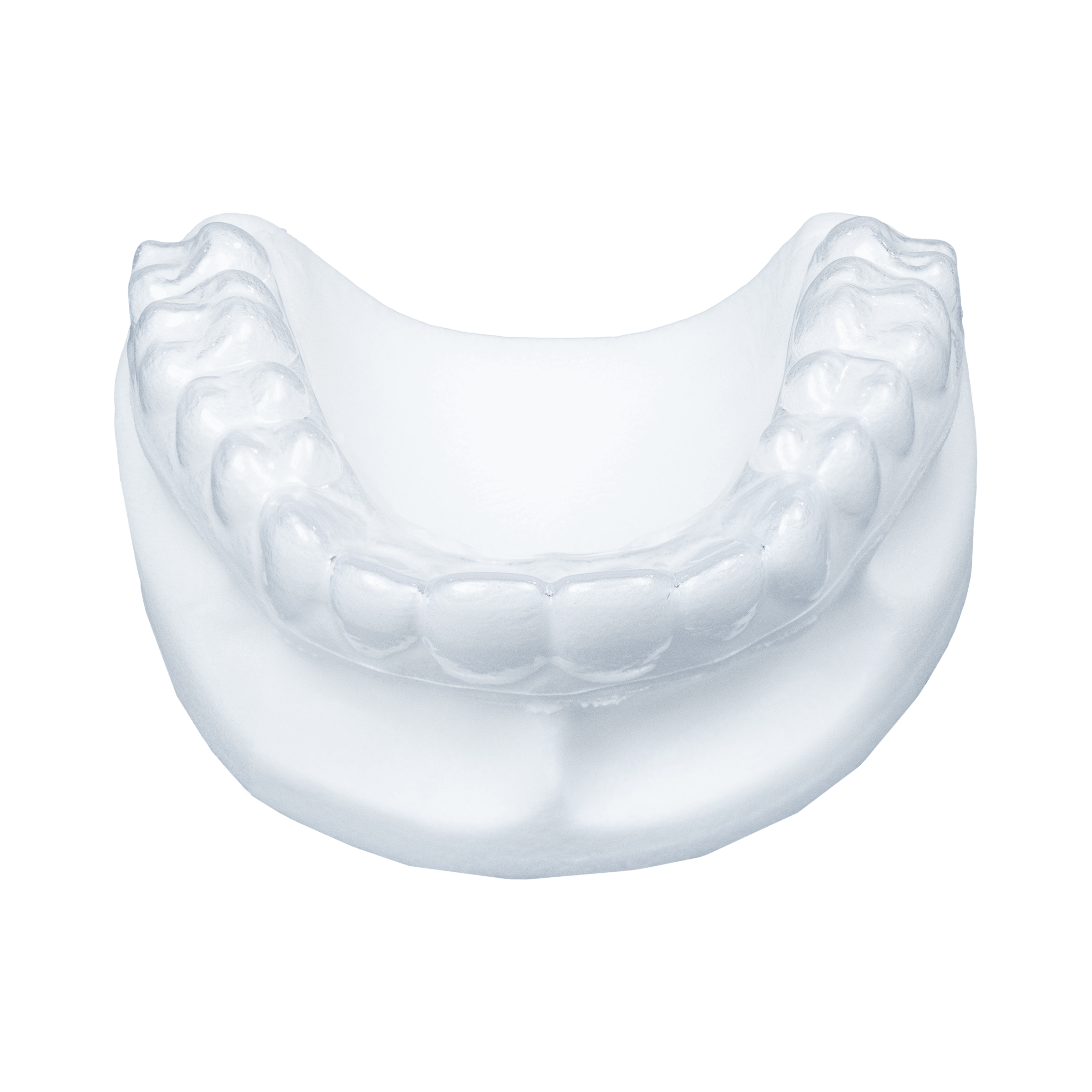
Ideal Clinical Cases for Invisacryl™ T:
-
Patients prone to fracturing single-layer PETG retainers3
-
Deep-bite cases at elevated risk of retainer breakage3
-
Post-aligner retention cases requiring elastic, form-stable retention
-
Patients who struggle with stiff appliances (compliance cases)1
-
Labs seeking a single-layer upgrade over PETG4
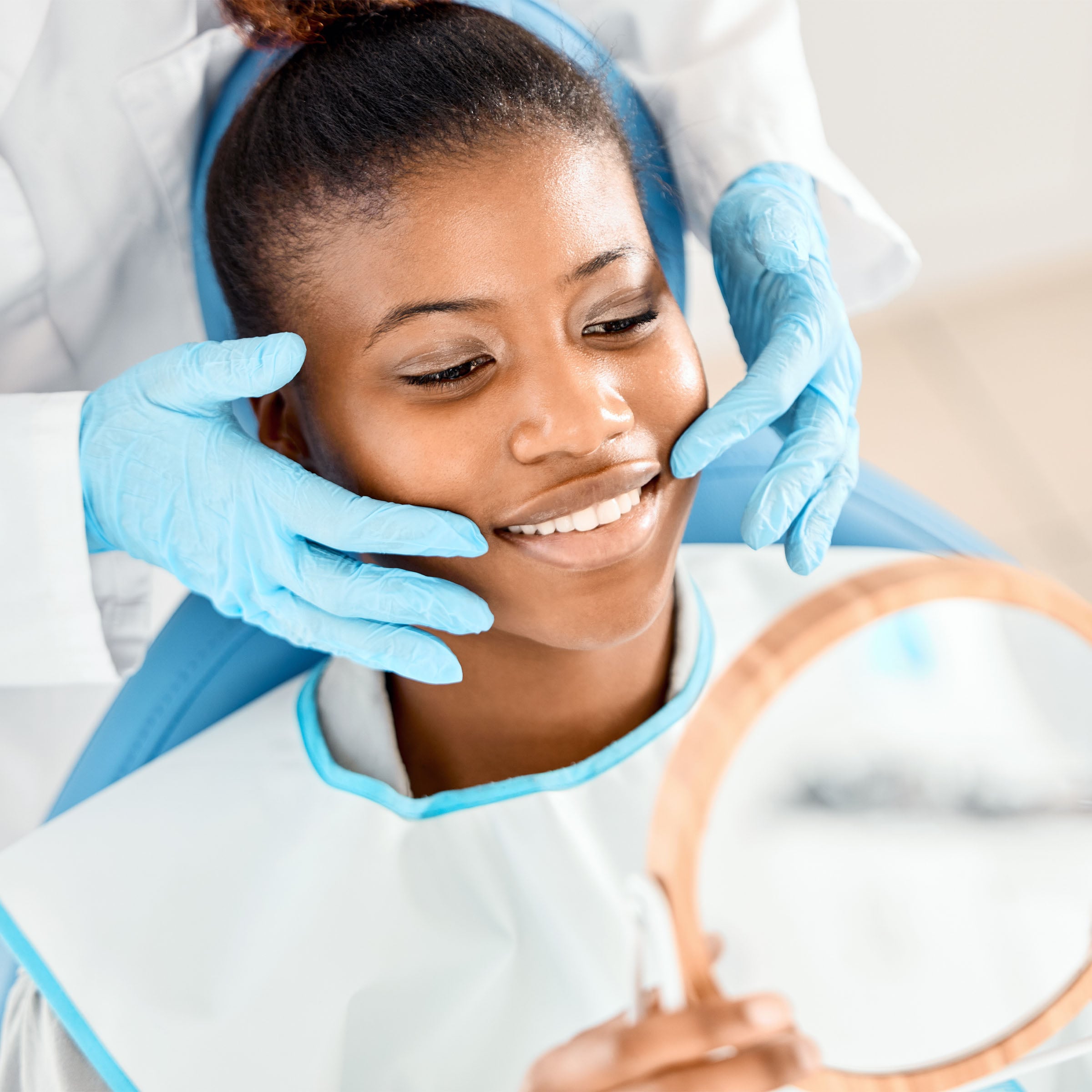
Patient Comfort & Compliance1
Single-layer TPU’s soft, elastic feel makes insertion and removal easy — patients are far more likely to wear a comfortable retainer consistently. Better wear = better outcomes.
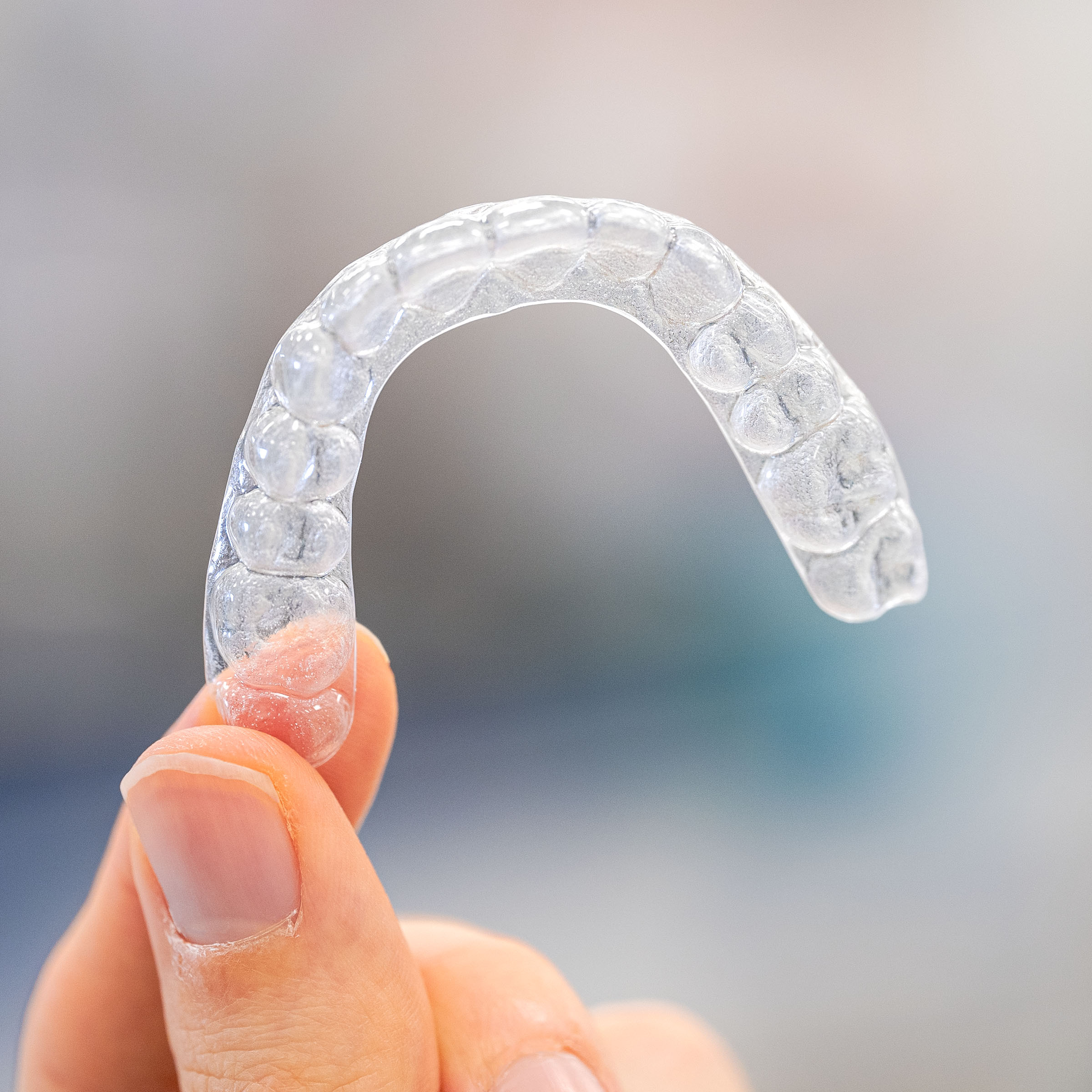
Fewer Remakes, Lower Costs3
TPU’s ductile elastomer properties mean it bends without fracturing — dramatically reducing costly remake requests from cracked PETG retainers.
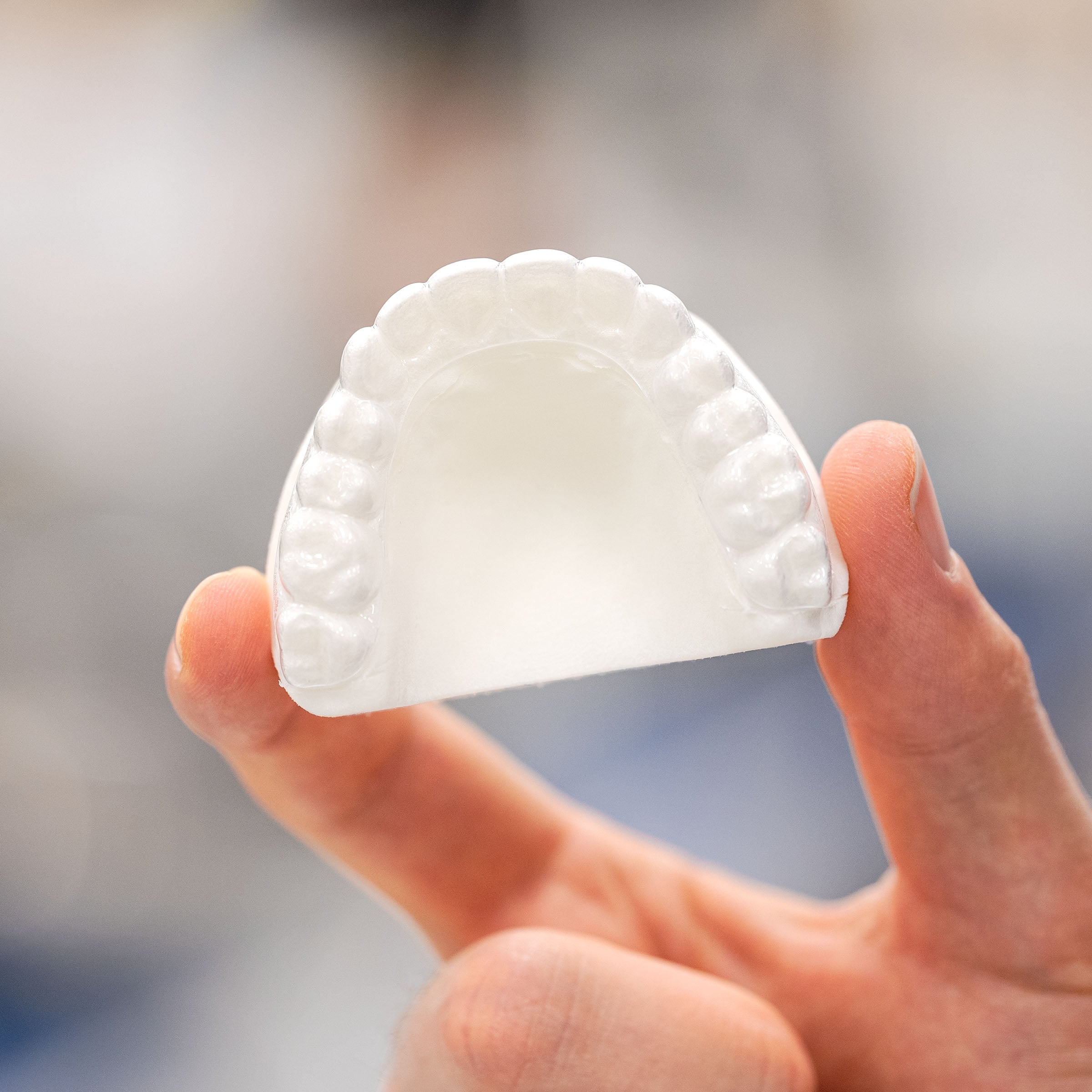
Stability Under Repeated Wear2
Unlike single-layer PETG, single-layer TPU maintains a stable elastic modulus through thermocycling — meaning its properties hold up across weeks of daily insertion and removal.
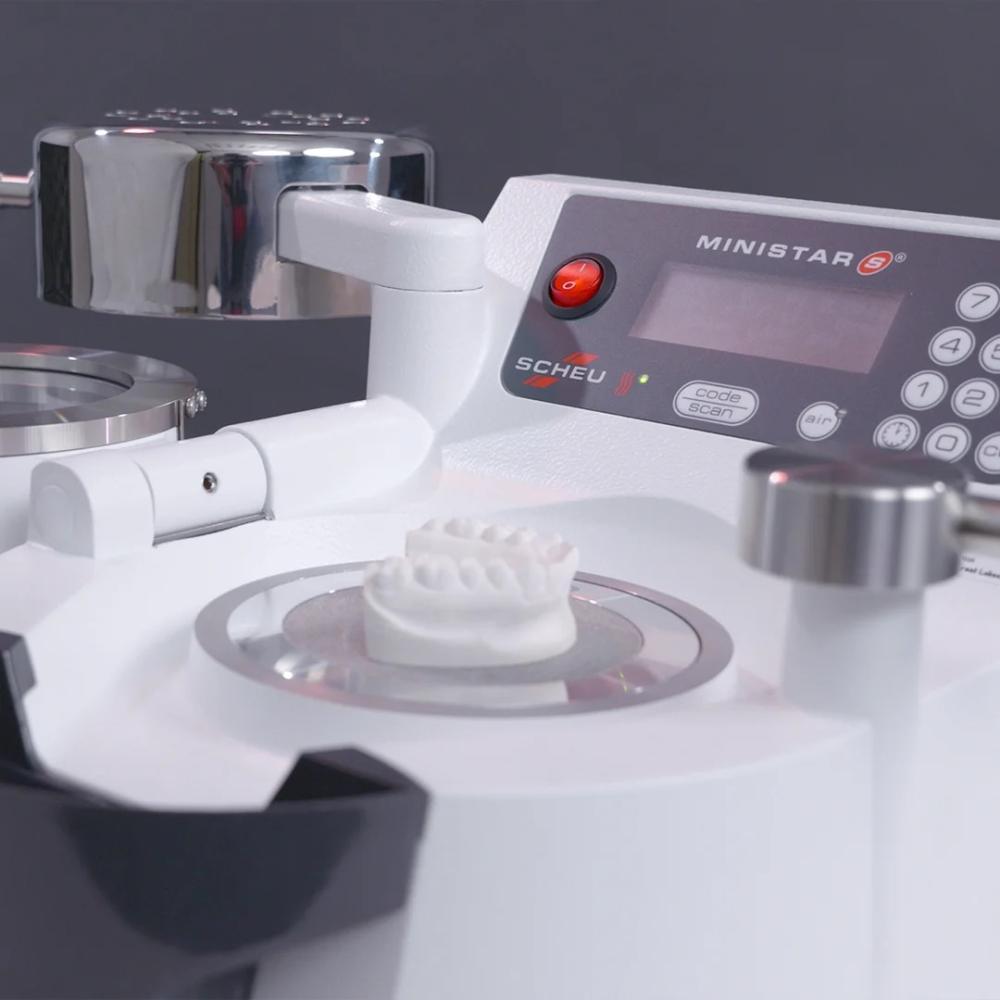
Simple, Predictable Thermoforming
Single-layer TPU is reported to more accurately reproduce mold shapes than other materials4 — the handling characteristics differ from PETG, reflecting the material’s higher performance. A small adjustment in workflow delivers a significantly better end result.
Clinical References:
-
Patient comfort — TPU preferred over PETG for initial comfort. Effectiveness and Biocompatibility of Tooth Aligners Made from PeT-G, PP, PC, TPUs, and EVA: A Systematic Review. PMC / Journal of Orthodontic Science, 2024. pmc.ncbi.nlm.nih.gov/articles/PMC11001044
-
Elastic modulus stability — single-layer TPU maintains stable elastic modulus through thermocycling; PETG degrades significantly. Differential Stability of One-layer and Three-layer Orthodontic Aligner Blends under Thermocycling. PMC, 2024. pmc.ncbi.nlm.nih.gov/articles/PMC10812913
-
Fracture resistance & elasticity — TPU is a ductile elastomer providing high elasticity, formability, wearability, and shock absorption. Comparison of Translucency, Thickness, and Gap Width of Thermoformed and 3D-Printed Clear Aligners. Scientific Reports / Nature, 2023. nature.com/articles/s41598-023-36851-5
-
Thermoforming accuracy — single-layer TPU more accurately reproduces mold shapes than other clear aligner materials. Thermoplastics for Clear Aligners: A Review. PMC, 2025. pmc.ncbi.nlm.nih.gov/articles/PMC12196624